
Books
The Divine Comedy.
Dante’s epic pilgrimage through the afterlife remains a staggering work of imagination, where every sin and virtue takes vivid, often terrifying form. Cary’s translation captures the poem’s haunting beauty, making this medieval masterpiece feel startlingly immediate.
Choose an edition
Recommended for you.


Options and costs for your address appear at checkout
Send it back if it didn't land
Every book on the shelf has been read by at least one of us
Edition details
- Dante Alighieri
- DotBooks
- DotBooks
- June 2026
- Paperback
- Standard white
- 142
- en
Featured in
About this book
Dante’s 'The Divine Comedy' is not just a poem but a cosmos—a meticulously constructed vision of the afterlife that bends time, theology, and human frailty into a single, luminous arc. Its genius lies in how it makes the abstract tangible: hellfreezes, purgatory burns, and paradise shimmers with unbearable clarity.
What it's about
Guided by Virgil and later Beatrice, Dante descends through the concentric circles of Hell, where punishments mirror sins with eerie precision, then ascends Mount Purgatory’s terraces of repentance. Finally, he traverses the celestial spheres of Heaven, a realm of light and love that defies mortal language. The journey is both personal and universal: a lost soul’s confrontation with his own failings and a meditation on justice, free will, and divine grace.
Themes
The poem wrestles with the nature of sin—not as arbitrary condemnation but as a distortion of love. It also explores the limits of human reason (Virgil, symbolizing philosophy, cannot enter Heaven) and the necessity of divine revelation. Most strikingly, it frames redemption as an active, often painful realignment of desire toward the good.
Why it still matters
Seven centuries later, Dante’s vision endures because it treats morality as dynamic, not static. His Hell isn’t merely punitive; it’s diagnostic, revealing how choices calcify into identity. Modern readers—whether secular or religious—find in it a mirror for contemporary questions about accountability, trauma, and the stories we tell to make sense of suffering.
Who it's for
Ideal for contemplative readers drawn to mythic journeys, from Milton’s 'Paradise Lost' to Borges’ labyrinthine tales. Those who appreciate dense symbolism and layered allegory will relish unpacking its images, while others may simply be swept along by its narrative momentum and emotional force.
On reading it now
In an age of fragmented attention, 'The Divine Comedy' demands—and rewards—total immersion. Its cosmology feels alien yet familiar, like a dream half-remembered. For 21st-century readers navigating their own infernos of doubt or longing, Dante’s insistence that even the damned are loved offers a startling consolation.
Related reading
If this resonates, you might also reach for The Odyssey, The Iliad, or Shakespeare's Sonnets.
Sources and references
Verified references for this edition: Open Library.
Story preview
Tap to flip through the photos and the key points.
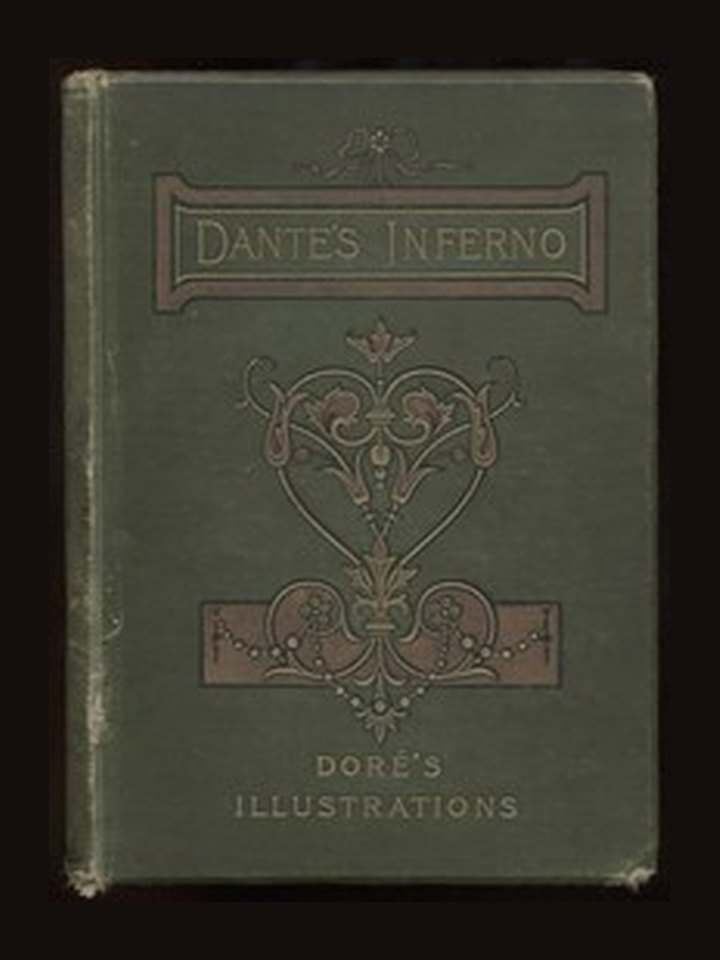 The Divine Comedy
You might also like
Readers who picked this also reached for.
Picking up where you left off