Books
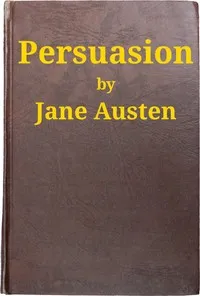
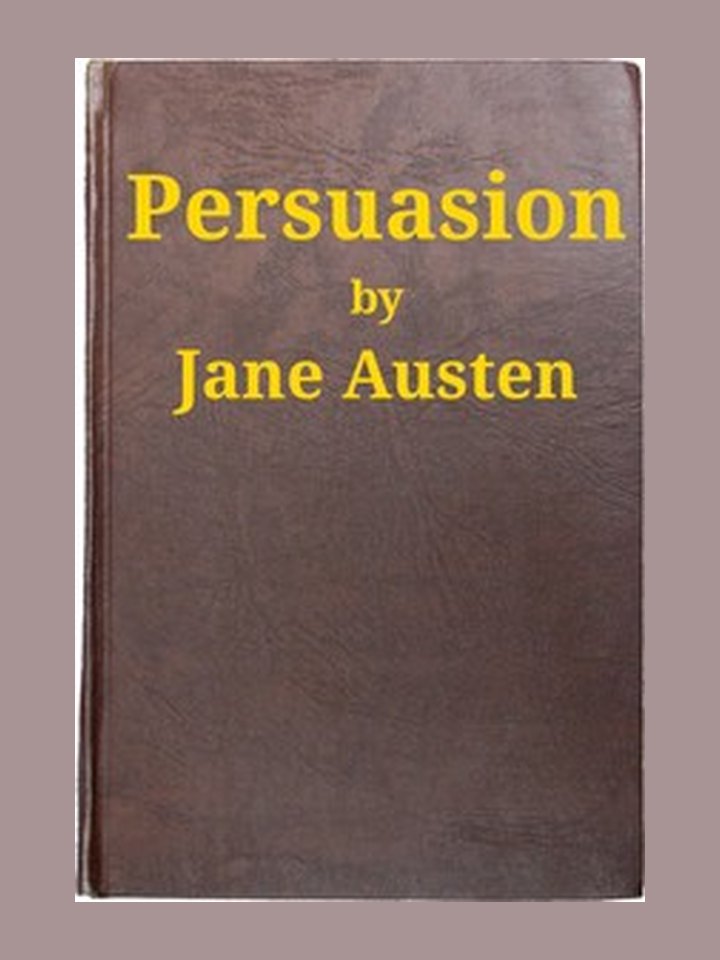
Persuasion.
Jane Austen’s final completed novel returns to love after loss, measuring regret, constancy, and second chances with extraordinary emotional poise.
Choose an edition
Recommended for you.


Options and costs for your address appear at checkout
Send it back if it didn't land
Every book on the shelf has been read by at least one of us
Edition details
- Jane Austen
- DotBooks
- DotBooks
- Paperback
- Standard white
- 269
- en
Featured in
About this book
Persuasion begins where many love stories end: with a broken engagement that still shapes the lives of the people who survived it. Years after Anne Elliot was persuaded to reject Frederick Wentworth, circumstance brings them again into the same rooms, families, and conversations, where memory works quietly beneath manners. Austen builds one of her most moving novels out of restraint, timing, and the long afterlife of choices that once seemed prudent.
Themes
The novel explores constancy, regret, social rank, vanity, maturity, and the possibility of renewal after emotional error. Anne’s intelligence is marked less by sparkle than by steadiness and moral perception, giving the book a depth of inward feeling that distinguishes it within Austen’s fiction.
Why readers still return to it
Readers return to Persuasion for its tenderness, irony, and unmatched account of love tested by time. It is one of Austen’s most intimate and affecting novels, culminating in one of the great declarations in English fiction.
Further context
Completed in 1816 and published posthumously in 1818, Persuasion is often read as Austen’s most autumnal novel: quieter than her early comedies, but richer in emotional aftertone and moral seriousness.
Sources and references
Verified references for this edition: Open Library, WorldCat.
Story preview
Tap to flip through the photos and the key points.
 Persuasion
You might also like
Readers who picked this also reached for.


Picking up where you left off