
Books
The Scarlet Letter.
In the stark shadows of Puritan New England, Hester Prynne’s scarlet 'A' becomes a symbol of sin and resilience, a haunting meditation on guilt, identity, and the oppressive weight of societal judgment.
Choose an edition
Recommended for you.



Options and costs for your address appear at checkout
Send it back if it didn't land
Every book on the shelf has been read by at least one of us
Edition details
- Nathaniel Hawthorne
- DotBooks
- Paperback
- Standard white
- 116
- en
Featured in
About this book
Nathaniel Hawthorne’s 'The Scarlet Letter' unfolds in the austere world of 17th-century Puritan Boston, where Hester Prynne’s scarlet 'A' becomes a luminous and damning mark of her transgression, her strength, and the fragility of human morality.
What it's about
Hester Prynne, condemned for adultery, is forced to wear the scarlet letter 'A' as a public shaming. Yet, amidst the rigid moral codes of Puritan society, her quiet defiance and resilience transform the symbol of her sin into one of individuality and redemption. The novel traces her complex relationships with her estranged husband, the tormented Reverend Dimmesdale, and her enigmatic daughter, Pearl, weaving a story of guilt, secrecy, and the search for absolution.
Themes
The novel delves into the tension between public morality and private conscience, exploring how societal judgment shapes—and distorts—individual identity. It also examines the nature of sin and redemption, questioning whether guilt is a burden to be borne or a catalyst for transformation. Central to the story is the theme of isolation, both imposed by society and self-inflicted, as characters grapple with their secrets and desires.
Why it still matters
'The Scarlet Letter' remains a profound exploration of the human condition, resonating in its critique of societal hypocrisy and its nuanced portrayal of moral ambiguity. Its themes of identity, judgment, and redemption continue to echo in contemporary discussions about public shaming, forgiveness, and the complexities of human relationships. Hawthorne’s rich symbolism and psychological depth make it a cornerstone of American literature.
Who it's for
This novel appeals to readers drawn to psychological depth, moral complexity, and historical fiction. Fans of authors like Herman Melville or Edith Wharton, or those intrigued by explorations of guilt and societal norms, will find much to ponder. It’s for those who appreciate stories that linger, challenging assumptions about sin, justice, and redemption.
On reading it now
In the 2020s, 'The Scarlet Letter' feels strikingly relevant, offering a lens to examine modern issues of public shaming, moral judgment, and the tension between societal expectations and individual identity. Hawthorne’s exploration of guilt and redemption invites readers to reflect on the ways we judge—and forgive—ourselves and others, making it a timeless and deeply human story.
Related reading
If this resonates, you might also reach for Jane Eyre, Heart of Darkness, or The Adventures of Tom Sawyer.
Sources and references
Verified references for this edition: Open Library, WorldCat.
Story preview
Tap to flip through the photos and the key points.
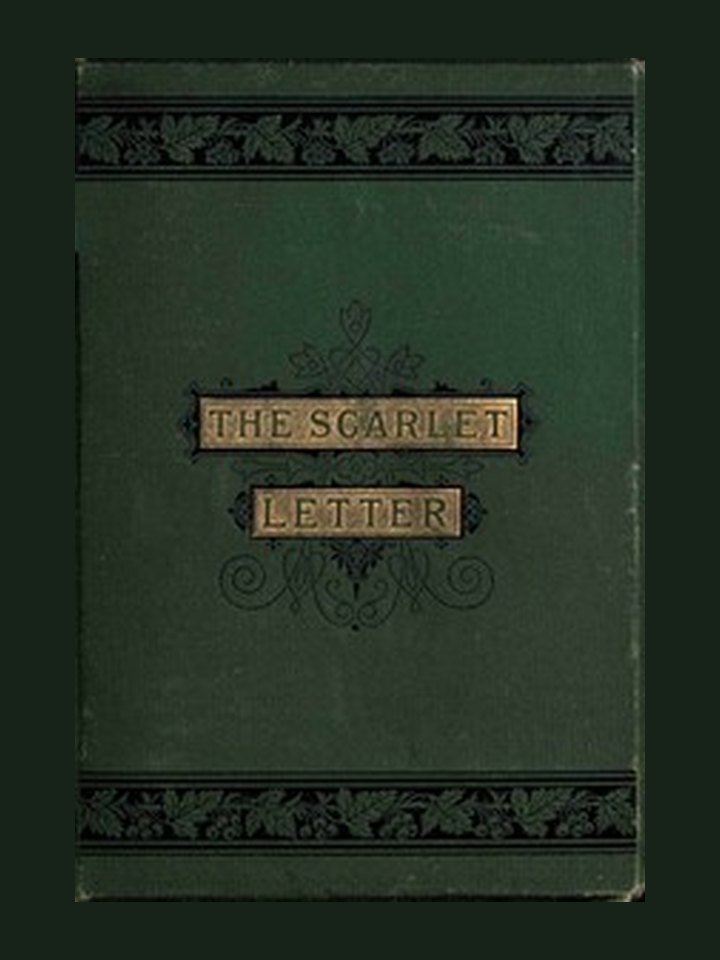 The Scarlet Letter
You might also like
Readers who picked this also reached for.




Picking up where you left off