Books
Heart of Darkness.
A steamboat captain’s journey into the Congo unravels into a haunting meditation on power, savagery, and the fragile veneer of civilization. Conrad’s fever-dream prose lingers like smoke in the air long after the final page.
Choose an edition
Recommended for you.
Options and costs for your address appear at checkout
Send it back if it didn't land
Every book on the shelf has been read by at least one of us
Edition details
- Joseph Conrad
- DotBooks
- DotBooks
- June 2026
- Paperback
- Standard white
- 46
- en
Featured in
About this book
The Congo River slithers through this story like a serpent, carrying Marlowe—and the reader—into landscapes where nature swallows ambition whole and men confront the abyss within themselves. Few novels coil so tightly around the throat of human hypocrisy.
What it's about
Marlowe, a seasoned sailor, recounts his assignment to retrieve Kurtz, an ivory trader who has vanished deep in the African interior. As his steamboat pushes upriver through oppressive jungle, he encounters the machinery of colonial exploitation: hollow outposts, broken men, and whispers of Kurtz’s godlike reign over a remote station. The journey becomes a peeling away of layers—of landscape, of ideology, of sanity—until Marlowe stands face-to-face with the horror Kurtz has both wrought and become.
Themes
Colonialism’s rot lies at the heart of the novel, laid bare not as civilizing mission but as grotesque theater of greed. Conrad equally probes the duality of human nature: the ‘savagery’ Europeans project onto Africa mirrors the darkness they carry within. Language itself becomes suspect—Kurtz’s eloquent reports mask atrocities, revealing how words can cloak moral vacancy.
Why it still matters
A century later, the novel remains a mirror for modern exploitation, from resource wars to corporate euphemisms that sanitize violence. Its influence pulses through works like Apocalypse Now and postcolonial literature, while its psychological depth redefined modernism’s approach to inner darkness. Few books so relentlessly question what happens when power goes unchecked.
Who it's for
Readers who want literature that unsettles as much as it illuminates—those drawn to Dostoevsky’s moral labyrinths or McCarthy’s stark visions. Ideal for anyone willing to sit with discomfort, to stare into the void where civilization’s certainties crumble. Pair with Things Fall Apart for counterpoint or Blood Meridian for another descent into brutality’s heart.
On reading it now
In an era of climate collapse and neocolonial extraction, Conrad’s nightmare feels less like allegory and more like diagnosis. The jungle still swallows pipelines and promises; the Kurtzes now wear suits and spreadsheets. What chills today isn’t the exoticism of evil but its bureaucratic banality—the horror remains, only better disguised.
Related reading
If this resonates, you might also reach for The Divine Comedy, The Brothers Karamazov, or The Raven and Other Poems.
Sources and references
Verified references for this edition: Open Library, WorldCat.
Story preview
Tap to flip through the photos and the key points.
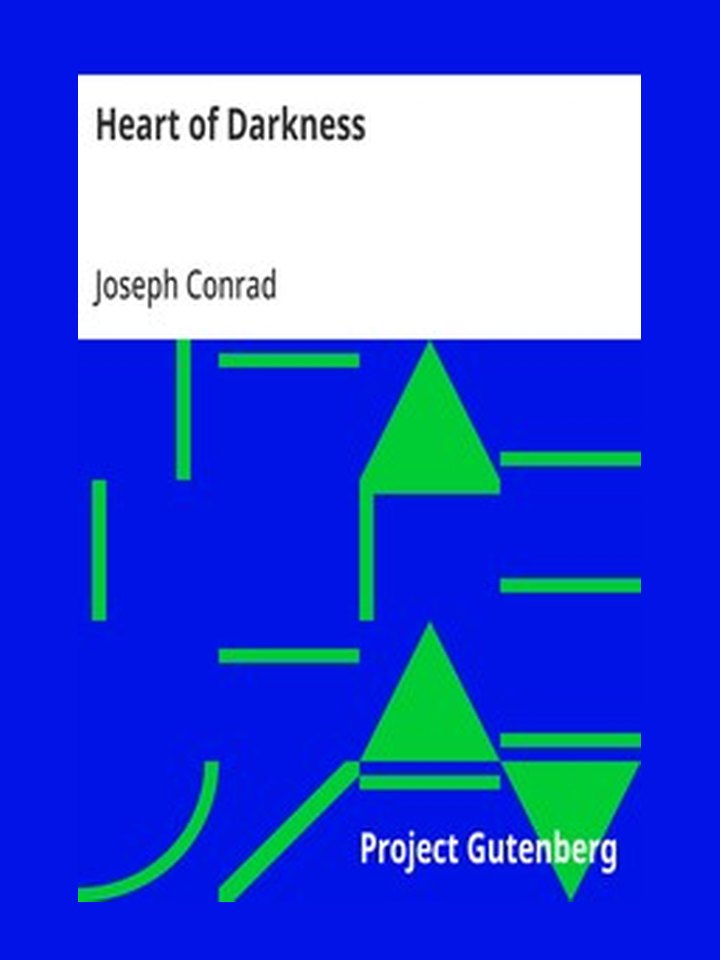 Heart of Darkness
You might also like
Readers who picked this also reached for.
Picking up where you left off