Books
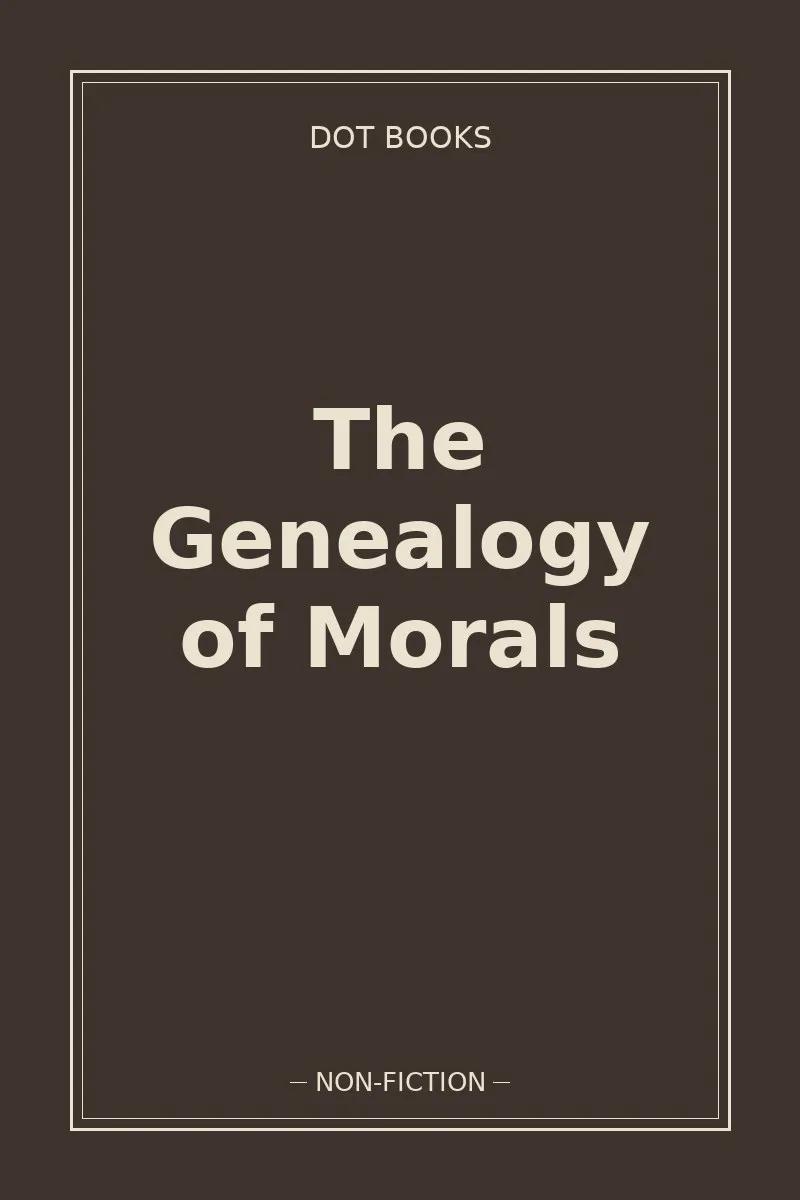
The Genealogy of Morals.
Nietzsche's fierce polemic tracing where our ideas of good and evil actually came from. In three linked essays he dissects guilt, conscience, and the ascetic ideal, overturning comfortable assumptions about morality itself.
Choose an edition
Recommended for you.



Tracked, signed-for delivery on every order
Send it back if it didn't land
Every book on the shelf has been read by at least one of us
Edition details
- Friedrich Nietzsche
- DotBooks
- Paperback
- Standard white
- 163
- en
About this book
Friedrich Nietzsche called this book a polemic, and it reads like one: three sustained essays that take a hammer to the assumption that our moral values are self-evident or eternal. Instead he asks the disturbing question of where they came from, and whose interests they have served.
What it's about
In three connected essays, Nietzsche investigates the origins of moral concepts. He contrasts two ways of valuing rooted in different historical conditions, traces the emergence of guilt and bad conscience from the relationship of debtor and creditor, and turns finally to the meaning and power of ascetic ideals in religion, philosophy, and science.
Themes
The historical and psychological roots of morality, resentment, conscience, self-denial, and the will to truth run throughout. Nietzsche practises what he calls genealogy: not asking whether values are true, but how they came to feel like truths.
Why it still matters
Few books have done more to shape modern suspicion of inherited values, influencing psychology, philosophy, and social thought across the twentieth century and beyond. Its method of interrogating the origins of what we take for granted remains startlingly powerful.
Who it's for
Readers of philosophy ready for a challenging, provocative text, and anyone drawn to Nietzsche's assault on comfortable certainties. Best approached with attention and an open mind.
Story preview
Tap to flip through the cover, snippets, and details.
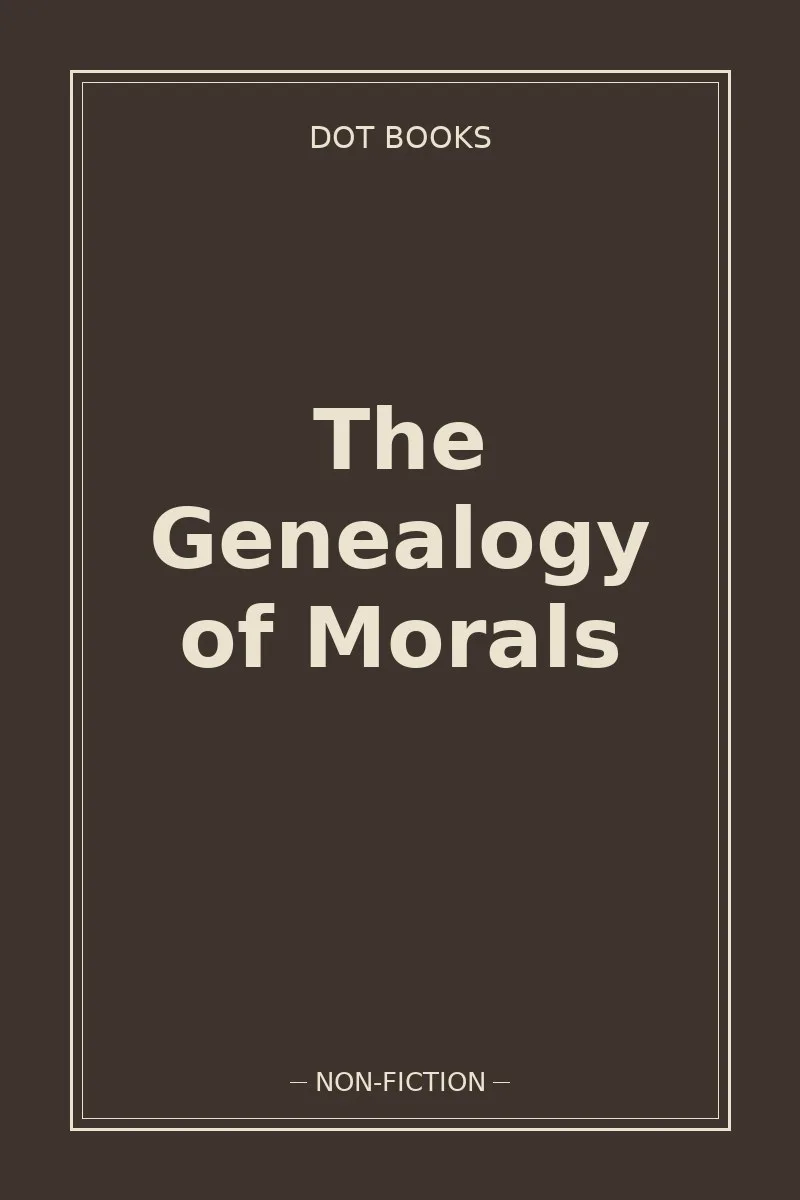 The Genealogy of Morals
You might also like
Readers who picked this also reached for.


Picking up where you left off