Books
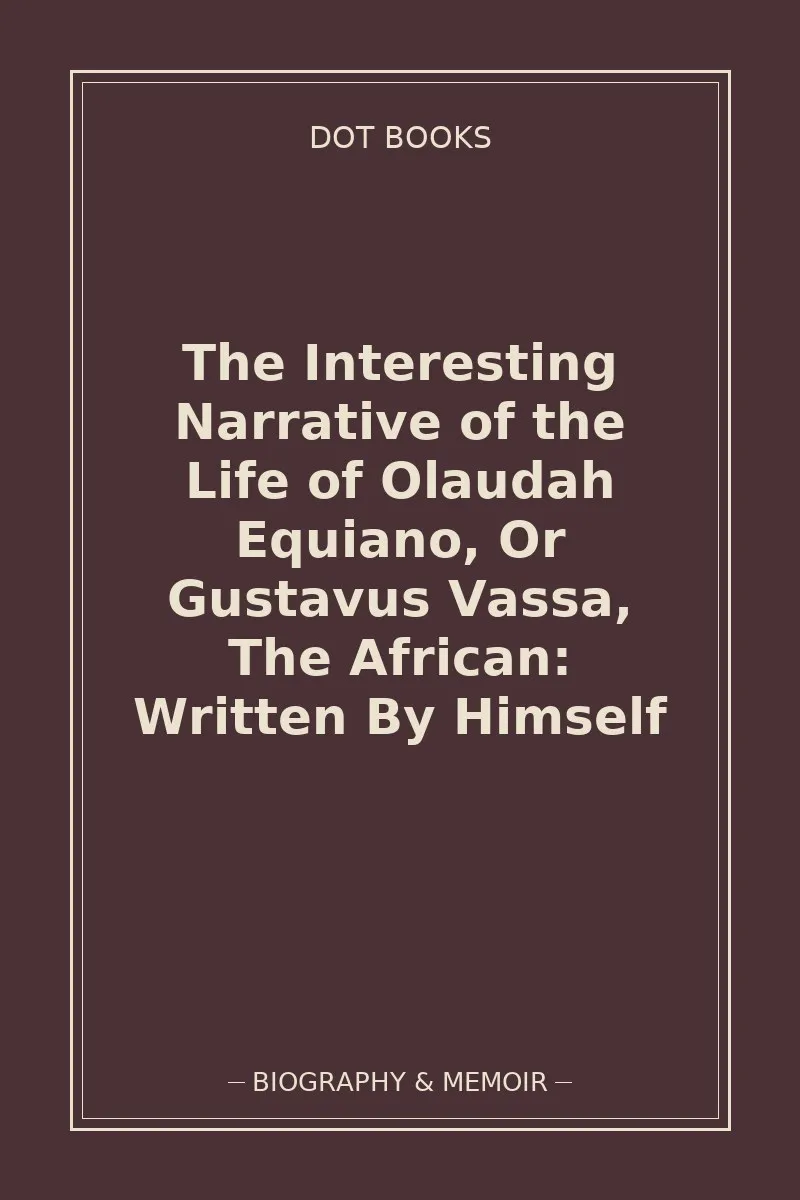
The Interesting Narrative of the Life of Olaudah Equiano, Or Gustavus Vassa, The African: Written By Himself.
One of the first slave narratives written by a formerly enslaved African, Equiano's 1789 memoir carried a captive from West Africa across the Atlantic to freedom, print, and the fight for abolition.
Choose an edition
Recommended for you.

Options and costs for your address appear at checkout
Send it back if it didn't land
Every book on the shelf has been read by at least one of us
About this book
Few voices from the eighteenth century reach us with the directness of Olaudah Equiano's. Written by himself, at a moment when almost no one expected a formerly enslaved man to hold the pen, his narrative arrived as both a life story and an argument.
What it's about
Equiano recounts his own passage through the world of transatlantic slavery: a childhood in West Africa, the terror of capture, the ordeal of the Middle Passage, and the long, uneven road through bondage in the Caribbean, the American colonies, and Britain. He describes his work at sea, his religious awakening, his purchase of his own freedom, and his later life as a mariner, tradesman, and campaigner. The book moves between personal recollection and pointed observation, insisting throughout on the humanity of those the trade treated as cargo.
Themes
Liberty and its price sit at the centre of the book, alongside faith, self-education, and the moral cost of a commerce that enriched empires. Equiano writes about identity across cultures, about the dignity of labour, and about the possibility of remaking a life after unimaginable loss. Running beneath it all is the abolitionist purpose that shaped its publication: an appeal to conscience grounded in lived experience rather than abstraction.
Why it still matters
This is a founding text of Black autobiography in English and a document that helped move public opinion toward ending the slave trade. It remains essential reading for anyone tracing the history of slavery, abolition, and the Atlantic world, and for understanding how a single testimony can become political force. Its influence on later memoir and on debates about freedom is hard to overstate.
Who it's for
For readers of history and autobiography, students of the abolition movement, and anyone drawn to first-person accounts that changed the world they described. Come to it for the argument; stay for the remarkable human voice at its heart.
Story preview
Tap to flip through the photos and the key points.
 The Interesting Narrative of the Life of Olaudah Equiano, Or Gustavus Vassa, The African: Written By Himself
You might also like
Readers who picked this also reached for.

Picking up where you left off