Books
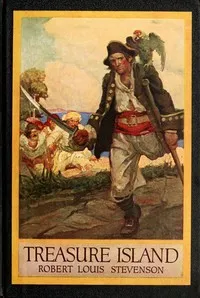
Treasure Island.
A boy’s adventure becomes a brutal education in deception when a pirate’s map leads to mutiny, buried gold, and the unforgettable Long John Silver. Stevenson’s tale thrums with the salt-stained tension between innocence and cunning, where every alliance is written in shifting sand.
Choose an edition
Recommended for you.



Options and costs for your address appear at checkout
Send it back if it didn't land
Every book on the shelf has been read by at least one of us
Edition details
- Robert Louis Stevenson
- DotBooks
- DotBooks
- Paperback
- Standard white
- 98
- en
Featured in
About this book
The smell of salt and treachery hangs thick in the air as a boy’s chance discovery thrusts him into a world of cutthroats and coded maps. Stevenson’s novel isn’t just the origin of pirate lore—it’s a masterclass in tension, where every creaking floorboard might signal betrayal.
What it's about
When young Jim Hawkins finds a map in a dead sailor’s chest, he’s swept into a high-stakes expedition to a remote island. The voyage turns deadly as the crew reveals itself to be pirates in disguise, led by the cunning and charismatic Long John Silver. What follows is a deadly game of loyalty and survival, where buried gold becomes secondary to the cost of ambition. The novel’s brisk pacing and vivid set pieces—from the storm-lashed Hispaniola to the eerie stockade—make it feel perpetually on the edge of a knife.
Themes
Stevenson probes the fluidity of morality through characters who defy simple categorization: Silver is both villain and father figure, while ostensibly respectable men prove equally capable of cruelty. The pursuit of treasure serves as a metaphor for human greed, exposing how easily camaraderie fractures when wealth is at stake. Beneath the adventure lies a coming-of-age story, as Jim navigates a world where adults are as unreliable as the shifting tides.
Why it still matters
Beyond coining pirate tropes—the peg leg, the parrot, the ‘X marks the spot’ map—the novel endures because it treats its young protagonist with rare seriousness. Modern readers will recognize the DNA of every heist and quest narrative here, from the double-crosses to the reluctant alliances. Its psychological depth (particularly in Silver’s scenes) elevates it above mere escapism, making it a bridge between children’s literature and darker, more complex fiction.
Who it's for
Ideal for readers who crave adventure with teeth—those who appreciate the camaraderie of "The Three Musketeers" but want the grit of a survival story. Fans of morally gray antagonists (think "Breaking Bad’s" Walter White) will find Silver fascinating, while the economical prose appeals to anyone weary of bloated modern epics.
On reading it now
The 1883 prose remains startlingly fresh, with scenes that unfold like stage plays and dialogue that crackles with wit. What surprises contemporary readers is how little the story romanticizes piracy—the violence is abrupt, the betrayals brutal. In an age of antiheroes, Stevenson’s nuanced character work feels thoroughly modern, proving some treasures never lose their luster.
Related reading
If this resonates, you might also reach for Macbeth, Romeo and Juliet, or Hamlet.
Sources and references
Verified references for this edition: Open Library, WorldCat, Robert Louis Stevenson on Wikipedia.
Story preview
Tap to flip through the photos and the key points.
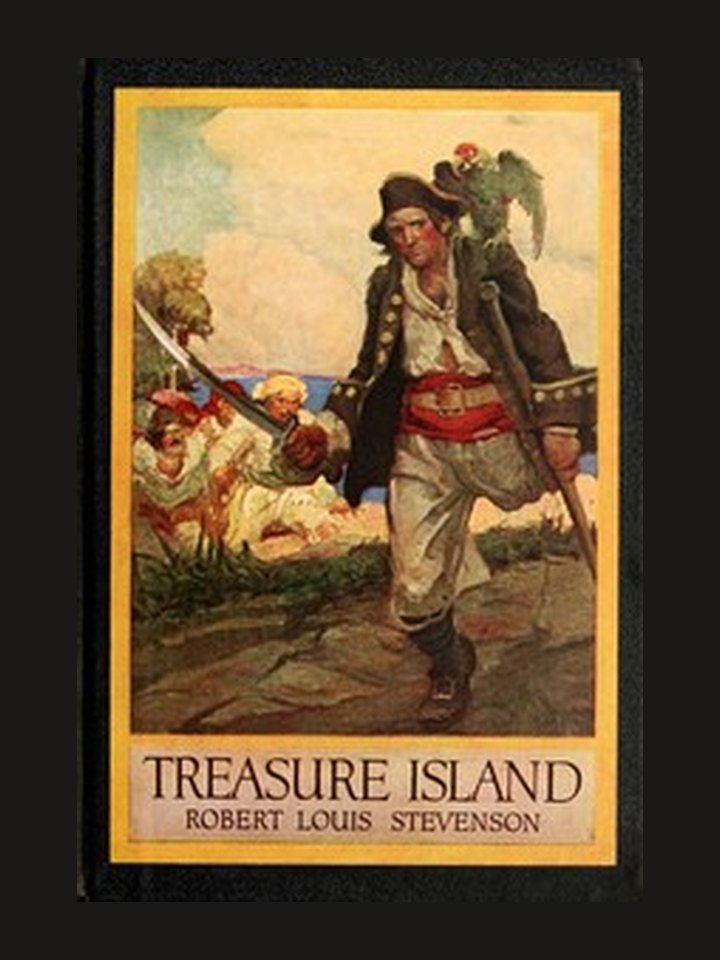 Treasure Island
You might also like
Readers who picked this also reached for.


Picking up where you left off