Books
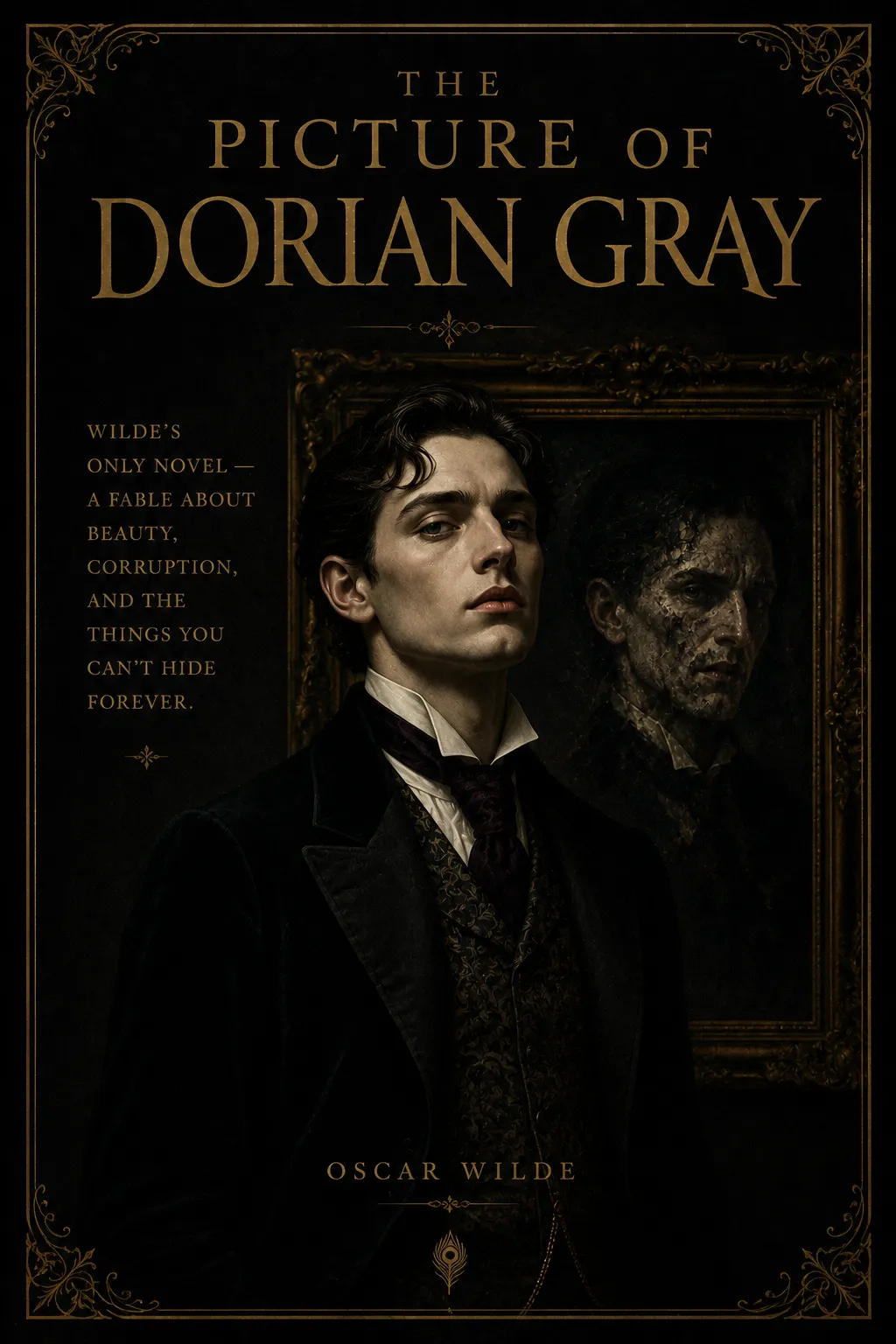
The Picture of Dorian Gray.
A haunting fable of beauty and corruption, where a man’s portrait ages in his stead while his soul darkens behind an ageless face. Wilde’s dazzling wit cuts deep into the heart of Victorian hypocrisy.
Choose an edition
Recommended for you.



Tracked, signed-for delivery on every order
Send it back if it didn't land
Every book on the shelf has been read by at least one of us
Edition details
- Oscar Wilde
- DotBooks
- DotBooks
- Paperback
- Standard white
- 281
- en
Featured in
About this book
A single painting holds the weight of a man’s sins while his face remains untouched by time—Oscar Wilde’s only novel is a gilded nightmare wrapped in the most exquisite prose.
What it's about
When the young and impossibly beautiful Dorian Gray wishes to trade his soul for eternal youth, his portrait begins to bear the scars of his moral decay instead. As he indulges in a life of hedonism and cruelty, the painting grows grotesque, while Dorian’s outward perfection remains intact. Wilde spins a tale of aesthetic obsession, where art and reality blur, and the pursuit of pleasure leads to ruin.
Themes
At its core, the novel interrogates the cult of beauty and the emptiness of aestheticism divorced from morality. Wilde dissects the Victorian obsession with appearances, exposing the rot beneath polished surfaces. The duality of public virtue and private vice runs through the story, as does the tension between art’s immortality and human transience.
Why it still matters
In an age of curated online personas and relentless self-optimization, Dorian’s bargain feels eerily prescient. The novel’s questions—about authenticity, vanity, and the cost of perpetual youth—resonate in our image-obsessed culture. Wilde’s razor-sharp critique of societal hypocrisy remains as biting as ever.
Who it's for
Readers who relish decadent prose and moral ambiguity, fans of Gothic undertones paired with philosophical wit. If you loved the poisonous elegance of The Secret History or the dark whimsy of Perfume, Wilde’s masterpiece will seduce you.
On reading it now
Nearly 150 years later, the novel’s central horror isn’t the supernatural portrait—it’s how familiar Dorian’s narcissism feels. In our era of filters and facades, Wilde’s warning about the hollowness of beauty without conscience lands with fresh, unsettling force.
Related reading
If this resonates, you might also reach for Treasure Island, Meditations, or Moby-Dick.
Sources and references
Verified references for this edition: Open Library, WorldCat, Oscar Wilde on Wikipedia.
Story preview
Tap to flip through the cover, snippets, and details.
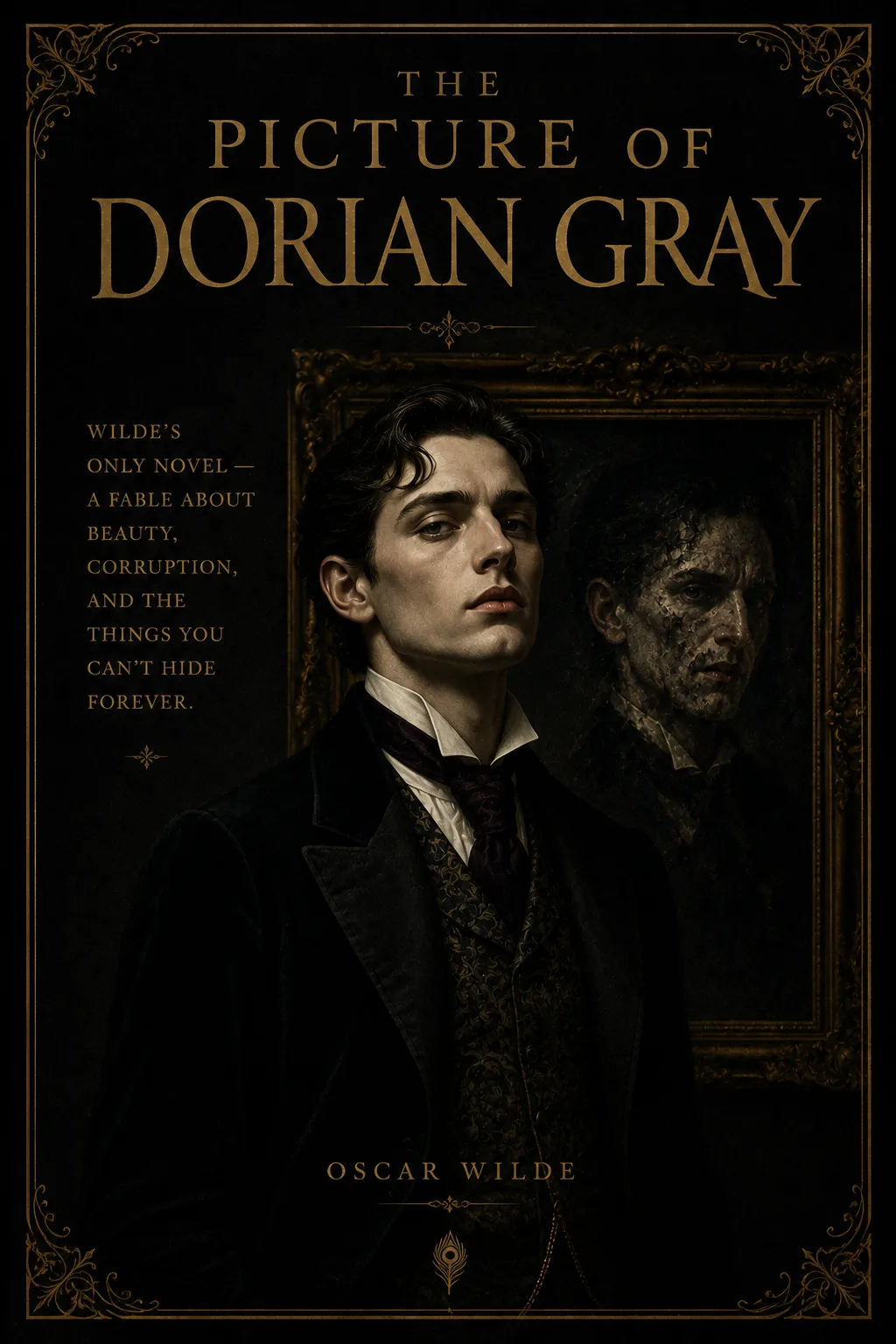 The Picture of Dorian Gray
You might also like
Readers who picked this also reached for.



Picking up where you left off