Independent press
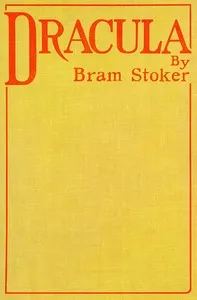
Dracula.
A creeping dread unfolds through letters and diaries as an ancient evil crosses into Victorian London. Stoker's Dracula is a symphony of suspense, where modernity clashes with primal horror in the shadow of the original vampire.
Choose an edition
Recommended for you.
Tracked, signed-for delivery on every order
Send it back if it didn't land
Every book on the shelf has been read by at least one of us
Edition details
- Bram Stoker
- DotBooks
- DotBooks
- June 2026
- Paperback
- Standard white
- 209
- en
Featured in
About this book
The scent of earth and rustling silk, a ship with no crew, a diary entry cut short—Stoker’s Dracula builds terror through fragments, letting the reader piece together an encroaching nightmare that feels both archaic and unnervingly intimate.
What it's about
Jonathan Harker’s business trip to Transylvania takes a grim turn when his host, the enigmatic Count Dracula, reveals monstrous appetites. Back in England, Harker’s fiancée Mina and her friend Lucy encounter strange illnesses and nocturnal visitations, while the eccentric Professor Van Helsing recognizes the signs of a vampiric infestation. The novel unfolds through layered documents—journals, telegrams, ship logs—as a band of allies races to unravel the Count’s schemes before he claims more victims. The tension hinges not on sudden shocks, but on the slow dawning of an inescapable threat.
Themes
At its core, Dracula is a collision between superstition and science, with Van Helsing advocating for both blood transfusions and garlic wreaths. Stoker probes Victorian anxieties about sexuality and contagion: Lucy’s transformation into a voluptuous predator plays on fears of female desire, while the Count’s invasions mirror paranoia about foreign corruption. The epistolary structure itself becomes a theme—knowledge is fractured, communication delayed, and survival depends on pooling fragmented truths before the predator outmaneuvers them.
Why it still matters
Dracula codified vampire lore while questioning the era’s blind faith in progress. Its themes of epidemic and xenophobia feel eerily contemporary, and the fragmented narrative prefigures modern found-footage horror. Beyond spawning countless adaptations, the novel endures because it understands terror as a slow stain, not a splash—a corruption of the ordinary that still seeps into today’s psychological thrillers and pandemic fiction.
Who it's for
Readers who relish atmosphere over gore, and those intrigued by 19th-century voices wrestling with existential dread. Fans of atmospheric gothics like Carmilla or The Turn of the Screw will find kinship here, as will anyone who enjoys epistolary novels with creeping unease, such as House of Leaves or World War Z.
On reading it now
The novel’s pacing feels deliberate by today’s standards, but its restraint magnifies the horror. A 2026 reader might wince at some Victorian sensibilities, yet the core terror—of losing autonomy, of loved ones becoming strangers—remains visceral. Dracula’s power lies in its quiet moments: a shadow moving without its owner, a whisper overheard too late.
Related reading
If this resonates, you might also reach for Great Expectations, Treasure Island, or Don Quixote.
Sources and references
Verified references for this edition: Open Library, WorldCat.
Story preview
Tap to flip through the cover, snippets, and details.
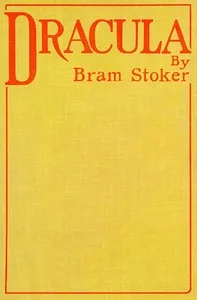 Dracula
You might also like
Readers who picked this also reached for.
Picking up where you left off