Books
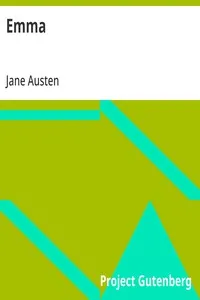
Emma.
Emma Woodhouse, convinced of her matchmaking prowess, navigates the social intricacies of Highbury with wit and charm—until her meddling unravels unexpected consequences. Jane Austen’s sharp, humorous portrait of self-deception and love remains a timeless delight.
Choose an edition
Recommended for you.


Tracked, signed-for delivery on every order
Send it back if it didn't land
Every book on the shelf has been read by at least one of us
Edition details
- Jane Austen
- DotBooks
- DotBooks
- June 2026
- Paperback
- Standard white
- 220
- en
Featured in
About this book
Emma Woodhouse, handsome, clever, and rich, believes she knows best when it comes to matters of the heart—until her meddling disrupts lives and reveals her own blind spots. Jane Austen’s Emma is a sparkling comedy of manners, brimming with wit, missteps, and the quiet revelations of self-awareness.
What it's about
Set in the small village of Highbury, Emma follows its eponymous heroine as she takes it upon herself to arrange the romantic lives of those around her. Confident in her abilities, Emma’s efforts lead to misunderstandings, unintended consequences, and a series of social entanglements. As she navigates friendships, rivalries, and her own growing feelings, Emma begins to see the world—and herself—more clearly. Austen’s keen eye for human folly and her gift for dialogue shine in this tale of misguided intentions and personal growth.
Themes
At its heart, Emma explores the dangers of pride and self-deception. Emma’s belief in her own infallibility blinds her to the true feelings of those around her, leading to a series of humorous yet poignant missteps. The novel also delves into the complexities of social class and the subtle ways it shapes relationships and expectations. Love, in all its forms—romantic, familial, and platonic—is another central theme, examined through the lens of Emma’s evolving understanding of herself and others.
Why it still matters
Emma remains relevant for its incisive exploration of human nature and its timeless humor. Austen’s portrayal of a young woman grappling with her own flaws and learning to see the world more clearly resonates with readers across generations. The novel’s sharp social commentary and keen observations of human behavior continue to offer insights into the ways we navigate relationships and self-awareness. Its enduring appeal lies in its blend of wit, warmth, and wisdom.
Who it's for
This novel is perfect for readers who enjoy character-driven stories, sharp social satire, and the intricacies of human relationships. Fans of Austen’s other works, such as Pride and Prejudice or Sense and Sensibility, will find much to love here, as will those who appreciate modern adaptations like Clueless. It’s ideal for anyone seeking a thoughtful, humorous exploration of love, self-discovery, and the complexities of social interaction.
On reading it now
Reading Emma in 2026, its themes feel as fresh as ever. In an age of curated social personas and the illusion of control, Emma’s journey of self-awareness serves as a timely reminder of the value of humility and empathy. Austen’s wit and insight continue to illuminate the human condition, offering both laughter and reflection. As we navigate our own social landscapes, Emma remains a guide to understanding ourselves and others with greater clarity and compassion.
Related reading
If this resonates, you might also reach for Shakespeare's Sonnets, Moby-Dick, or Frankenstein.
Sources and references
Verified references for this edition: Open Library, WorldCat.
Story preview
Tap to flip through the cover, snippets, and details.
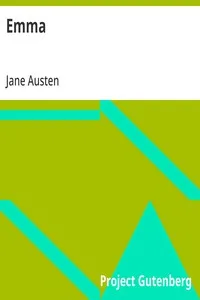 Emma
Emma
You might also like
Readers who picked this also reached for.

Picking up where you left off