Books
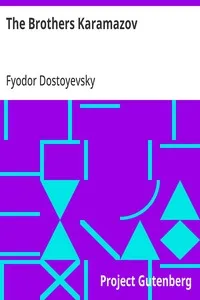
The Brothers Karamazov.
A volatile father’s murder ignites a spiritual and moral inferno for his three sons—one a sensualist, one an intellectual, one a mystic—in Dostoyevsky’s searing final novel. Here, courtroom drama and theological debate collide with raw humanity, leaving no soul unscorched.
Choose an edition
Recommended for you.
Options and costs for your address appear at checkout
Send it back if it didn't land
Every book on the shelf has been read by at least one of us
Edition details
- Fyodor Dostoyevsky
- DotBooks
- Paperback
- Standard white
- 492
- en
Featured in
About this book
In a provincial Russian town, the Karamazov brothers—Dmitri’s fiery passions, Ivan’s corrosive intellect, Alyosha’s gentle faith—are bound by blood and torn apart by their father’s murder. Dostoyevsky’s last novel is a thunderous inquiry into guilt, free will, and whether God exists if children suffer.
What it's about
After their dissolute father Fyodor is killed, each brother confronts the crime’s moral aftershocks. Dmitri, the eldest, grapples with his violent impulses and tangled love affairs. Ivan, the rationalist, spirals into madness under the weight of his own philosophical arguments. Alyosha, the novice monk, seeks redemption through compassion. The trial that follows becomes less about evidence than about Russia’s soul—and ours.
Themes
Dostoyevsky pits faith against reason, asking whether goodness can survive in a world where evil goes unpunished. The novel’s famous 'Grand Inquisitor' chapter distills this into a parable about freedom’s burdens. Meanwhile, the brothers embody competing visions of morality: Dmitri’s impulsive heart, Ivan’s tortured mind, Alyosha’s active love. Family itself becomes a battleground for these forces.
Why it still matters
Modern readers recognize in the Karamazovs our own fractured selves—the parts that rage, doubt, and cling to hope. The book’s psychological depth foreshadowed Freud; its existential questions prefigured Camus. In an age of polarized certainties, Dostoyevsky’s insistence on complexity feels urgently contemporary. Even his minor characters haunt us with their humanity.
Who it's for
Ideal for readers who want literature that wrestles with the divine without easy answers. Fans of Tolstoy’s moral weight or Kafka’s paradoxes will find kinship here. Those daunted by Russian novels might start with Alyosha’s chapters—they glow with a rare tenderness amid the storm.
On reading it now
In 2026, as algorithms slice us into marketable identities, Dostoyevsky’s messy, contradictory characters feel like an antidote. The novel reminds us that wisdom lives in questions, not answers—and that love, not ideology, might be the hardest thing to sustain.
Related reading
If this resonates, you might also reach for Heart of Darkness, The Adventures of Pinocchio, or Hamlet.
Sources and references
Verified references for this edition: Open Library.
Story preview
Tap to flip through the photos and the key points.
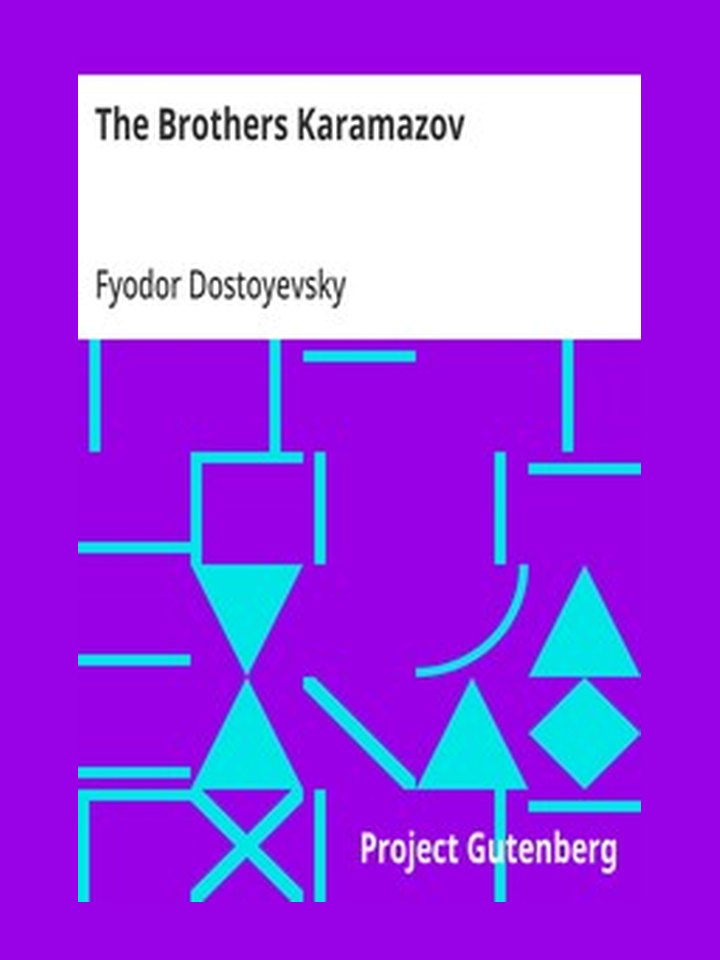 The Brothers Karamazov
You might also like
Readers who picked this also reached for.
Picking up where you left off