Books
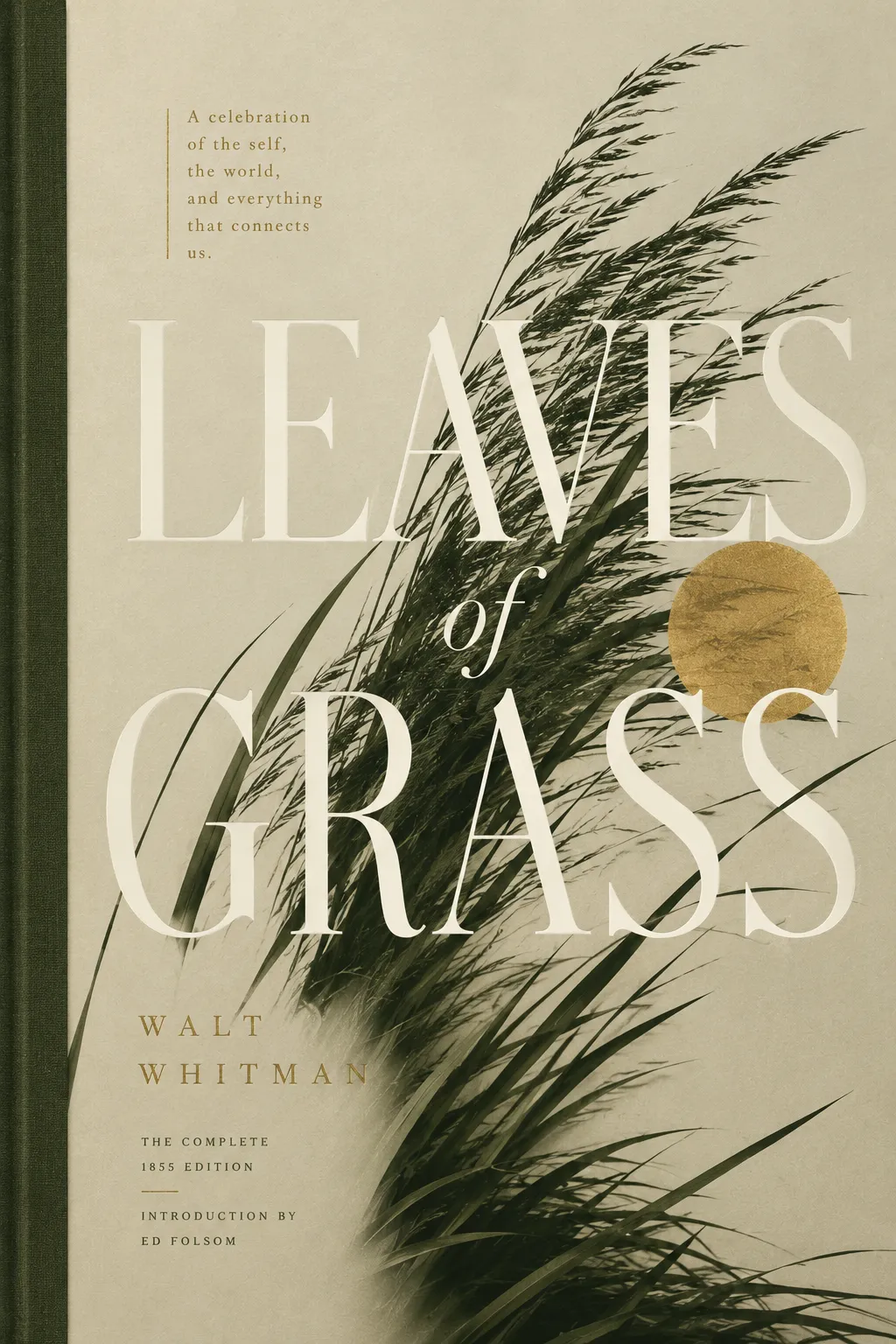
Leaves of Grass.
Walt Whitman's 'Leaves of Grass' is a wild, uncontainable ode to life itself, a celebration of the individual and the infinite. Its verses pulse with the raw energy of existence, urging readers to embrace the world with unbridled passion and curiosity.
Choose an edition
Recommended for you.


Tracked, signed-for delivery on every order
Send it back if it didn't land
Every book on the shelf has been read by at least one of us
Edition details
- Walt Whitman
- DotBooks
- Paperback
- Standard white
- 185
- en
Featured in
About this book
In 'Leaves of Grass,' Walt Whitman crafts a sprawling, exuberant hymn to the self and the universe, a work that defies convention and invites readers to see the world anew. Its lines are alive with the rhythm of life, a testament to the beauty and chaos of existence.
What it's about
'Leaves of Grass' is not a narrative in the traditional sense but a collection of poems that together form a mosaic of human experience. Whitman writes of the self, of nature, of love, and of the American spirit, weaving together personal reflections with grand, universal themes. The poems range from intimate musings to sweeping declarations, all united by Whitman's distinctive voice and vision.
Themes
At its core, 'Leaves of Grass' is a celebration of the individual and the collective. Whitman explores the idea of the self as both unique and interconnected with all of existence. He also delves into themes of democracy, equality, and the beauty of the natural world, presenting a vision of life that is both deeply personal and profoundly universal.
Why it still matters
Whitman's work remains vital because it speaks to the enduring human desire for connection and understanding. His celebration of individuality and democracy resonates in today's world, offering a reminder of the power of the human spirit and the importance of embracing diversity and difference. 'Leaves of Grass' continues to inspire readers to see the world with fresh eyes and to live with passion and purpose.
Who it's for
This book is for those who seek a deeper understanding of themselves and the world around them. It appeals to readers who appreciate lyrical, expansive poetry and who are drawn to works that challenge conventions and celebrate the complexity of life. Fans of Emerson, Thoreau, or Ginsberg will find much to admire in Whitman's vision.
On reading it now
Reading 'Leaves of Grass' in 2026, one is struck by how Whitman's words continue to resonate. His celebration of the individual and the collective feels particularly poignant in a world grappling with issues of identity and unity. Whitman's call to embrace life fully and to see the beauty in all things remains as urgent and inspiring as ever.
Related reading
If this resonates, you might also reach for The Divine Comedy, The Odyssey, or The Iliad.
Sources and references
Verified references for this edition: Open Library, WorldCat, Walt Whitman on Wikipedia.
Story preview
Tap to flip through the cover, snippets, and details.
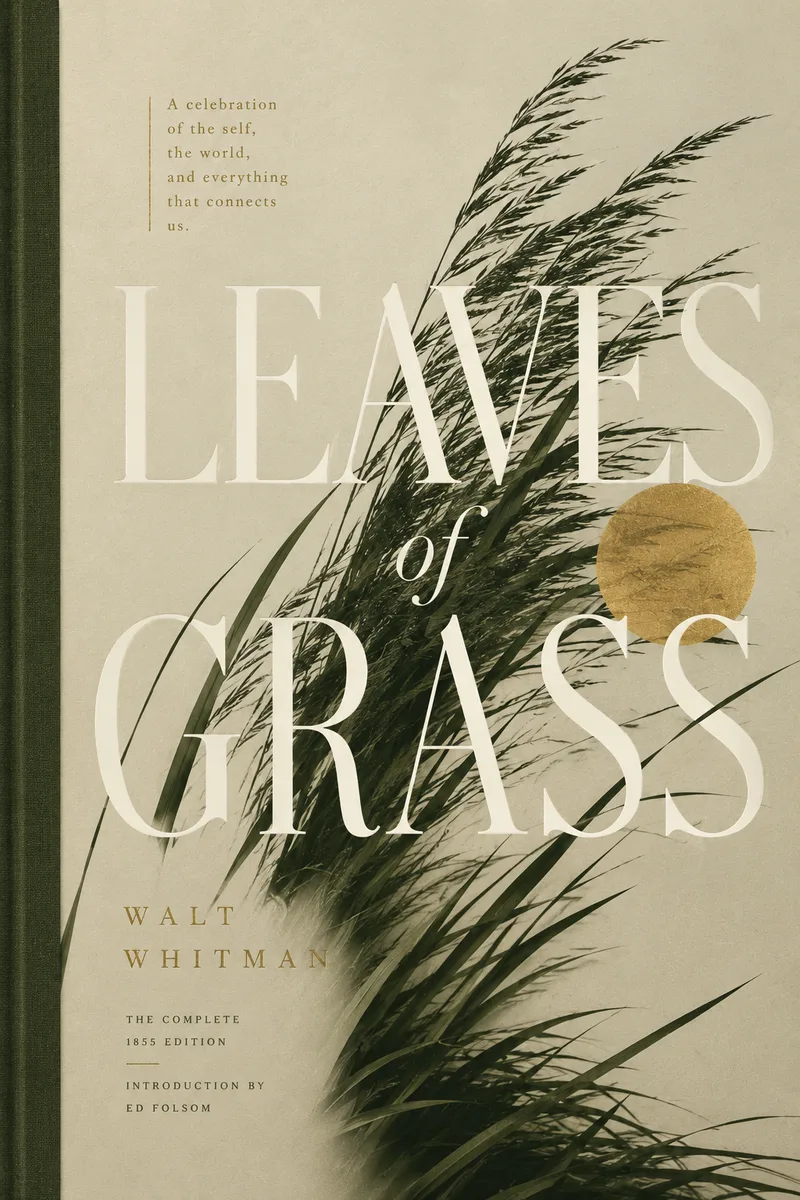 Leaves of Grass
You might also like
Readers who picked this also reached for.


Picking up where you left off