Books
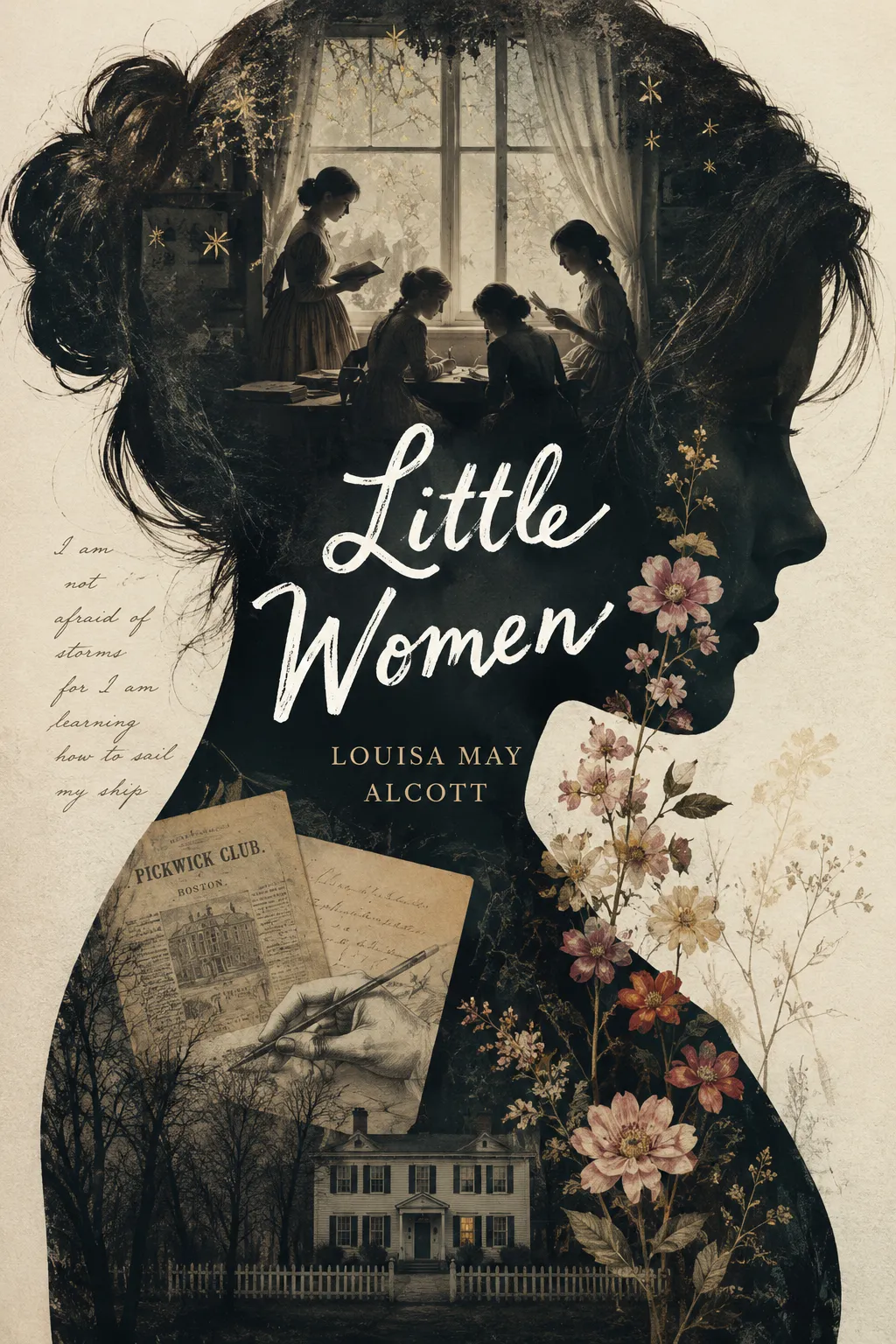
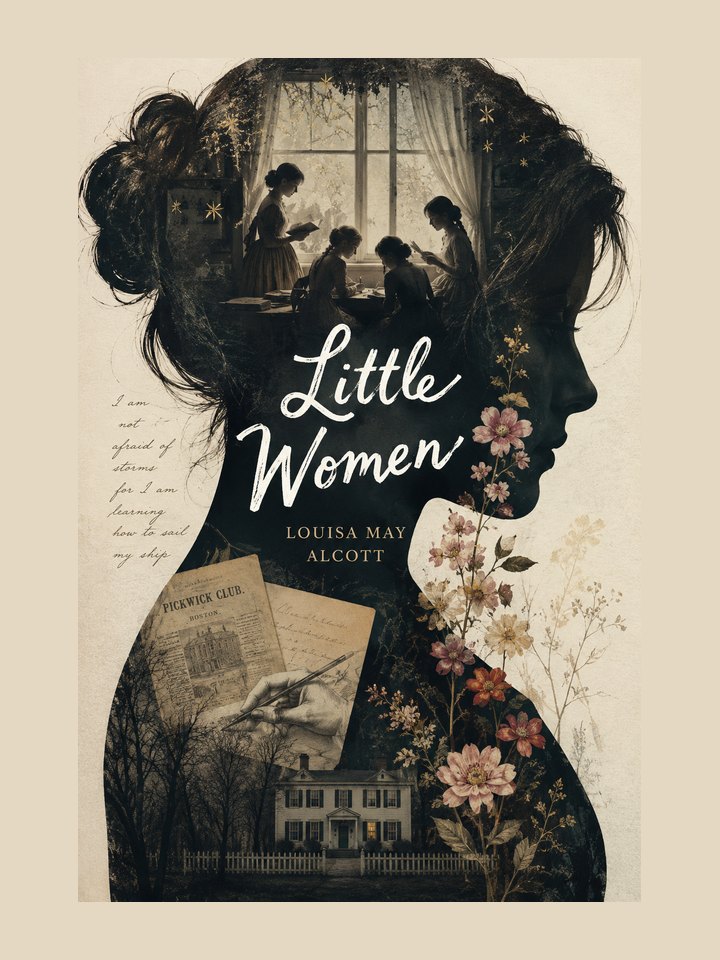
Little Women.
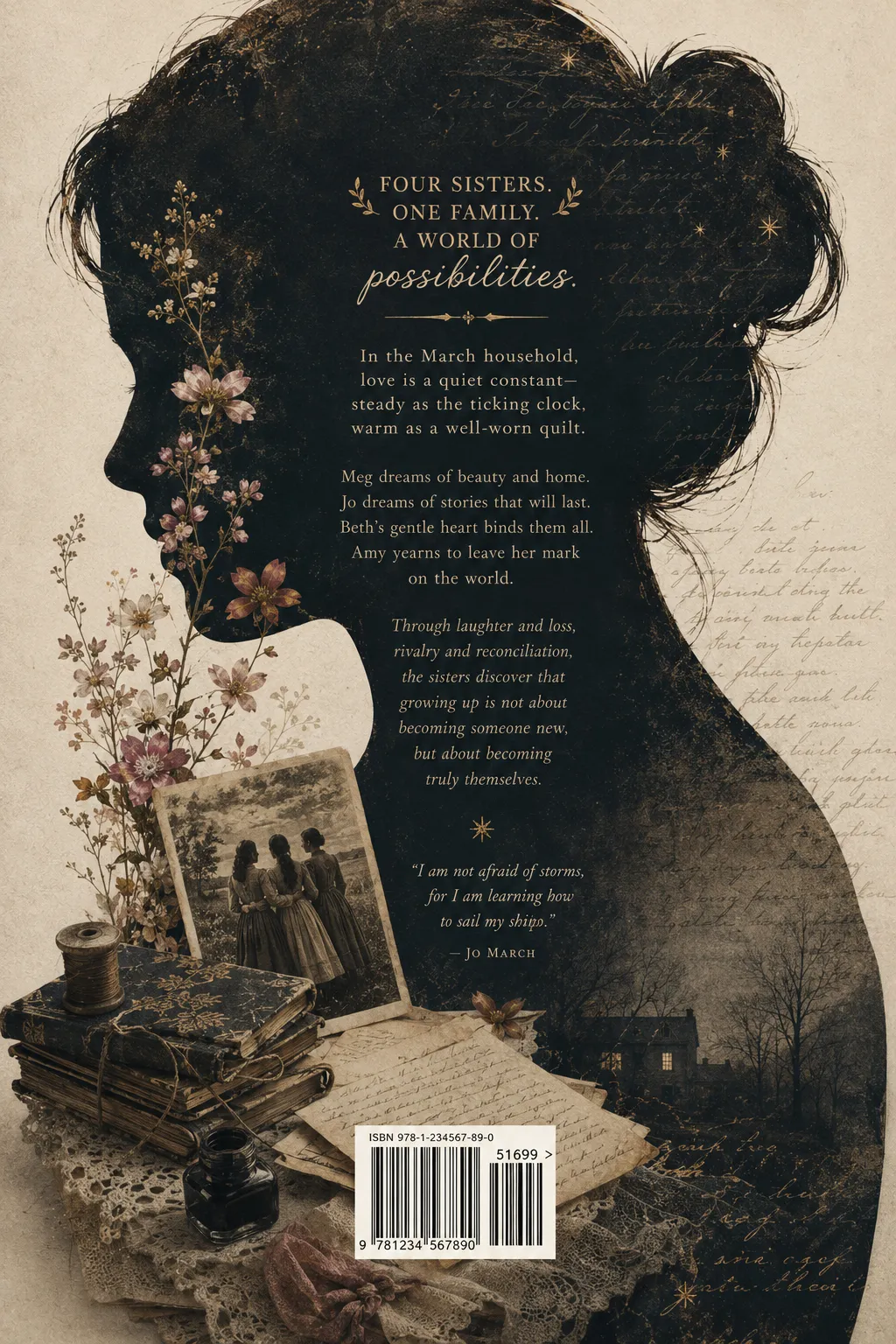
Four sisters come of age in a world of scraped knees and secret ambitions, where the warmth of family cushions every fall. Alcott’s tender, unsentimental prose turns the March household into a stage for quiet rebellions and enduring love.
Choose an edition
Recommended for you.


Options and costs for your address appear at checkout
Send it back if it didn't land
Every book on the shelf has been read by at least one of us
Edition details
- Louisa May Alcott
- DotBooks
- Paperback
- Standard white
- 269
- en
Featured in
About this book
The March sisters’ world is one of mended gloves and borrowed books, where the firelight catches both their laughter and their tears. Alcott paints their lives with such specificity that the 1860s feel no farther away than yesterday’s breakfast table.
What it's about
As their father serves as a chaplain in the Civil War, Meg, Jo, Beth, and Amy navigate adolescence in Concord, Massachusetts with their mother Marmee as their guide. The novel follows their creative projects, romantic entanglements, and personal growth across seven transformative years. From amateur theatricals to seaside holidays, each episode reveals how these fiercely individual young women negotiate societal expectations while leaning on one another through triumphs and tragedies.
Themes
At its core, the novel explores the tension between personal ambition and familial duty—Jo’s writing dreams versus Beth’s domestic contentment, Meg’s longing for luxury against Amy’s artistic aspirations. Alcott also examines the quiet heroism of ordinary life, particularly through Marmee’s guidance that moral courage matters more than dramatic gestures. The sisters’ differing approaches to womanhood create a nuanced portrait of gender roles in flux.
Why it still matters
Nearly 160 years later, the novel remains startlingly modern in its psychological realism—Jo’s anger, Amy’s vanity, and Beth’s shyness feel as recognizable as any contemporary teen’s Instagram feed. The story’s radical honesty about money (from burnt dresses to orange bargains) and its celebration of female creativity continue to resonate in an age still grappling with these issues. Modern retellings and scholarly reappraisals keep revealing new layers in Alcott’s deceptively simple narrative.
Who it's for
Readers who cherish nuanced family dynamics (think Elena Ferrante’s Neapolitan novels) or coming-of-age stories with teeth (like Carson McCullers’ The Member of the Wedding). Ideal for anyone who’s ever wrestled with how to be good while staying true to themselves—or who simply wants to spend time with characters who feel like old friends.
On reading it now
In 2026, as algorithms increasingly dictate our emotional lives, there’s profound comfort in Alcott’s insistence that personal growth happens incrementally—through failed recipes, bad haircuts, and handwritten letters. The novel’s radical ordinariness becomes its greatest strength, reminding us that revolutions begin at kitchen tables.
Related reading
If this resonates, you might also reach for Macbeth, Romeo and Juliet, or Hamlet.
Sources and references
Verified references for this edition: Open Library, WorldCat.
Story preview
Tap to flip through the photos and the key points.
 Little Women
You might also like
Readers who picked this also reached for.



Picking up where you left off